
Zero Waste as a Student: 8 Tips to Help You Reduce Waste in Everyday Life

Written by Christina Pichler, Dec 25, 2025

Our world is drowning in waste. Almost every product, from food and electronics to furniture, comes wrapped in multiple layers of packaging. While this packaging is practical for transport, it places a heavy burden on the environment. On average, each of us produces 1.5 kg of rubbish per day. What may seem small for one person quickly adds up to mountains of waste worldwide.

But our resources are limited, and this is where Zero Waste comes in: a solution-oriented lifestyle that reduces waste, conserves resources, and protects the environment. In this article, you’ll find Zero Waste tips and learn how simple changes in your daily routine can help you live more sustainably.

What Is Zero Waste?

Zero waste is an everyday, forward-looking approach that aims to keep resources in use for as long as possible. Instead of throwing things away after short use, materials should be repaired, reused, passed on, or recycled. The goal is to use products as sustainably as possible from beginning to end so that ideally no waste is left.

Terms like Zero Waste, No Waste, and Low Waste are often used similarly. Zero waste’ and ‘no waste’ aim for a life with no rubbish at all. ‘Low waste’ is the more practical option. It focuses on reducing waste as much as you can, without needing to be perfect. Especially realistic in a busy student life.

For students in particular, Zero Waste can be useful because it not only helps the environment but also saves money and space. Of course, there are challenges, such as lack of time or the feeling that you need to change everything at once. But the best approach is to start with small steps and simple alternatives. You don’t have to become a Zero Waste pro right away.

A helpful orientation is the well-known set of 5 R’s: Refuse, Reduce, Reuse, Recycle, and Rot.

The Zero Waste Principles: The 5 R’s for Your Everyday Life

Zero Waste means not disposing of products right away but reusing or repurposing them so that unnecessary waste doesn’t collect in the first place. Resources should be seen as something valuable, not as garbage. The “5 R’s” serve as a simple decision-making guide for everyday life:

Refuse: Say no to things that are used once and then binned. For example, disposable packaging, plastic cutlery, takeaway cups, plastic bags or unwanted advertising materials. Many of these things can be easily avoided without giving anything up. Ask yourself: Can I completely avoid this product or source of waste?

Reduce: Consciously reduce your consumption. Nowadays, it’s easy to fall into overconsumption, often because of advertising or impulsive purchases. Before buying something, consider if you truly need it. Looking through second-hand shops is often a great alternative.

Reuse: Use things multiple times and choose reusable options. You don’t always need the newest version, and a lot of it is just marketing. Used items are often more than enough and also help your budget (e.g., phones, cars, clothing).

Recycle: This goes beyond traditional household waste sorting. In the Zero Waste mindset, recycling is more of a last resort. Can you reuse or repurpose a product in another way before actually disposing of it?

Rot: Everything that naturally decomposes can be composted and reintegrated into the natural cycle.

When you follow these principles, your products last longer and their materials are used more fully, so hardly any waste is left over. This works especially well in shared flats or student housing: you can share kitchen tools, repair instead of replace, or reuse things together. And since no one can live perfectly, a Low Waste approach is more realistic for most people.

Zero waste checklist

Zero waste can seem overwhelming for beginners; therefore, we have put together a checklist with some basic items for everyday life to get started with your waste-free life.

  • Reusable lunch boxes, food containers, etc.
  • Reusable coffee cups
  • Bottles
  • Glass jars, preserving jars, etc.
  • Fruit and vegetable net
  • Shopping bag or basket
  • Fabric bags for bread and baked goods
  • Bamboo toothbrush and natural dental floss
  • Solid soap, solid shampoo, deodorant cream, etc.
  • Razor made of stainless steel
  • Washcloth and washable makeup remover pads
  • Wooden scrub brush, natural sponge, etc.
  • Sodium bicarbonate, lemon, vinegar for cleaning products

You don’t have to buy all of these items at once! Zero waste shall be sustainable and easily applicable. So, expand your zero waste equipment over time and only buy what you really need!

Zero Waste Tips for Everyday Life: 8 Tips for Students

In everyday life, there are many simple ways to put Zero Waste into practice. Whether while shopping, in the kitchen, in the bathroom, around the house, or in your study life. We’ve put together some tips for your daily life that are easy to implement, even for beginners.

Zero Waste Shopping: Cost-Effective & Eco-Friendly Buying as a Student

Zero Waste starts with grocery shopping, and many things are not only sustainable but also budget-friendly.

  • Choose loose products: Buy fruits, vegetables, nuts, or grains unpackaged (available in many organic stores, farmers’ markets, and so-called zero-waste shops*). If packaging is necessary, choose glass or paper over single-use plastic.
  • Reusable bags & produce nets: Carry a foldable shopping bag with you and use your own produce bag, so you don’t need any extra plastic bags.
  • Supermarket “rescue boxes”: Many supermarkets sell fruit and vegetables at a big discount when they don’t look perfect anymore, even though they are still perfectly good.  Some are also sold on Too Good To Go. If a whole box is too much for you, simply share it with your STUWO flatmates or neighbours.
  • Buy regional & seasonal: It’s often fresher, more sustainable, and tastes better. Farmers’ markets are ideal for regional products. Here you’ll find a list of all farmers’ markets in Vienna!
  • Do meal prep: Plan your shopping and write a list before you go. This saves time, money, prevents impulse buys, and reduces food waste.
  • Use apps & savings tips: With Too Good To Go, you can rescue leftover meals and groceries at the end of the day, often at great prices even though they were full price just hours before. Foodsharing also offers pickup points (“Fairteiler”) where food is shared or passed on for free.

*STUWO tip: Supermarkets are not very sustainable when it comes to plastic. If you want to shop Zero Waste, you can buy food, hygiene products, and cleaning supplies without packaging in zero-waste stores.

On zerowasteaustria.at, you’ll find a map of all shops in Austria, sortable by location or product. Just bring your own containers, jars, or boxes, and you’re ready to start your Zero Waste routine.

Zero Waste in the Kitchen: Sustainable Eating & Reducing Waste

Even in the kitchen and with your diet, you can avoid a lot of waste with just a few simple steps!

  • Cooking in student housing: If you already have a shared kitchen, make good use of it. Cook together with your flatmates or dorm besties to save energy and money.
  • Using leftovers: Turn leftover vegetables into soups, stews, or stir-fries, stale bread into croutons, ripe bananas into banana bread. Many leftovers can also be frozen instead of thrown away. Here you’ll find a few easy recipes for students!
  • Question the expiration date: The best-before date only shows the minimum time period a product will retain its quality. That doesn’t mean it’s automatically spoiled afterwards. Use your senses: look, smell, taste. Most of the time, you’ll immediately notice if something is still good to eat.
  • Reuse coffee grounds & tea leaves: Perfect as natural plant fertiliser. Coffee grounds also help neutralise odours in the fridge.
  • Shared-kitchen organisation: Label your food, share large packages with your flatmates, and use shared basics (oil, spices). So you don’t end up with everything two or three times.
  • Durable kitchen tools: Use wooden cutting boards, stainless-steel straws, and reusable baking mats. Instead of aluminium or plastic wrap, opt for beeswax wraps, silicone lids, or reusable glass containers. These not only reduce waste but also keep food fresher for longer than aluminium or plastic foil.

Zero Waste at Home: Practical Everyday Tips for Kitchen & Cleaning

  • Cleaning without plastic: Use reusable cleaning cloths, wooden dish brushes, refillable bottles, and reusable sponges (e.g., loofah sponges). These products reduce packaging waste and often last longer than conventional ones.
  • DIY cleaning products: Many cleaning supplies can easily be made yourself. With baking soda, vinegar, and citric acid, you have all-purpose cleaners for the kitchen and bathroom. You can find the instructions in our DIY cleaning products blog!
  • Waste separation in student housing: Pay attention to the correct bins for residual waste, paper, metal, glass, and organic waste. In a shared flat, you should set clear rules and label your bins to keep things organised.
  • Repair instead of replace: You don’t always need to replace things immediately because many items can be easily repaired. Borrow a toolbox (many dorms even have one available on-site) and try fixing things yourself like a small DIY project. There are also so-called repair cafés you can visit to have broken devices, clothes, or household items repaired for free or at very low cost.

Zero Waste in Your Studies & On the Go: Sustainable Alternatives

During stressful exam periods, you practically live in the library. Still, there are a few simple things you can do to stay sustainable on the go!

  • Digital materials instead of paper: You don’t need to print everything. Scripts, slides, and documents can be saved digitally or used directly on your laptop or tablet.
  • Digital notes: With apps like Goodnotes, Notability, or OneNote, you not only keep all your notes nicely organised in one place, but you also save a lot of paper in the long run.
  • Snacks & food to go: If you buy a sandwich at a bakery, ask them to give it to you without packaging. Ideally, bring your own food in your own reusable container. It’s cheaper, healthier, and completely waste-free.
  • Drinks & coffee on the go: No time in the morning, but can’t function without coffee? Just bring your own reusable cup! Many cafés even give discounts for this or offer their own. In Vienna, myCoffeeCup is a practical deposit system: borrow a cup for €1, use it, and return it later. And instead of buying drinks in single-use bottles, take your own water bottle and refill it with tap water!
  • Carry reusable basics: A small cutlery set, a reusable straw, and a lightweight snack box fit into any bag and are enough to stay almost entirely packaging-free when you’re out and about.
  • Build a sustainable uni community: Everyone needs uni friends and once you have them, you can share books, scripts, or notes to save money. In university forums or WhatsApp groups, old scripts and books are often sold cheaply or even given away! And if some of you drive to campus, organise carpools!

Zero Waste Living & Leisure: Living More Sustainably Together

  • Set flatshare rules: Discuss and decide together how you separate waste, which cleaning products you use, or how you want to share food. This way, you can motivate each other and make it much easier to follow Zero Waste principles together.
  • Sharing instead of buying: In a shared flat, many things can simply be used together, from tools and kitchen appliances to games and household items. Often, parents, grandparents, or siblings also have things they no longer need that can be passed on. This colourful mix is exactly what gives a flatshare its charm.
  • Start community projects: Cook together, try out upcycling projects, and visit the farmers’ market as a group! Sustainable living is more fun when you share it.
  • Sustainable flatshare parties: Avoid disposable dishes and single-use decorations when possible and use regular plates, glasses, and cloth napkins instead. You can also host a clothing swap party where everyone brings clothes they no longer want to exchange. It’s fun and reduces fashion waste at the same time.

Sustainable Mobility: Eco-Friendly Ways for Students to Get Around

  • Use bikes, public transport, and car sharing: The bicycle is often the fastest and cheapest option in city traffic. Public transport also gets you around comfortably, and if you don’t need a car often, car sharing is the perfect alternative.
  • Organise ride-shares: For longer distances, you can share rides with friends or fellow students. This saves CO₂, reduces costs, and often makes travelling even more enjoyable.

Zero Waste in the Bathroom: Sustainable Care Without Plastic & Without Stress

In the bathroom, packaging waste piles up quickly, from shampoo and shower gel to toothpaste and razors, but there are plenty of alternatives:

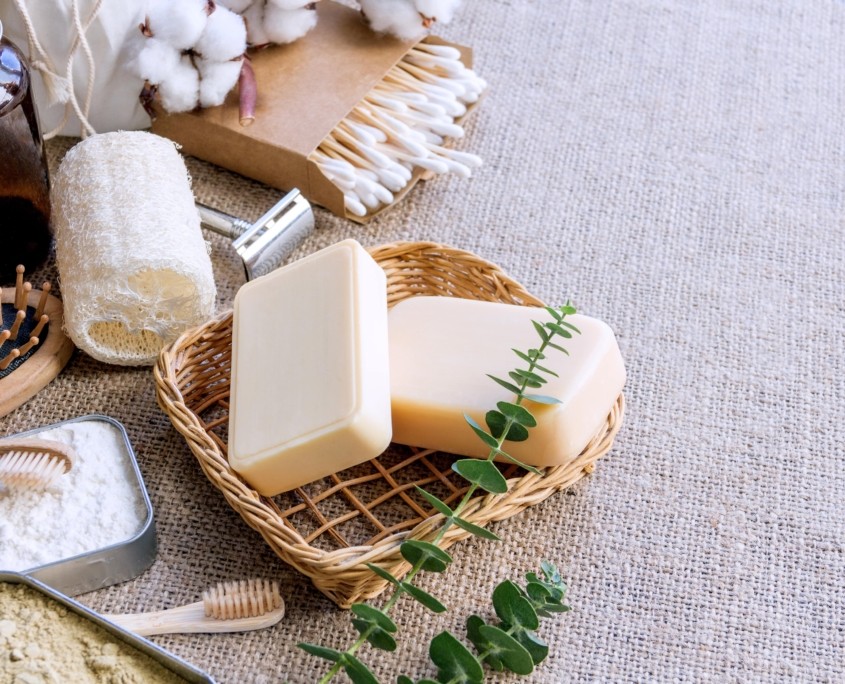
  • Solid products instead of plastic bottles: More eco-friendly options like bar soap, shampoo bars, toothpaste tablets, wooden toothbrushes, or metal razors can be found in many zero-waste shops and sometimes even in regular drugstores.
  • Long-lasting basics: Bamboo toothbrushes, safety razors, and reusable makeup remover pads replace disposable products and are usually made from more natural, less harmful materials.
  • DIY bathroom products: If you’re up for a small project, you can easily make products like deodorant cream, toothpaste, or scrubs yourself, and you’ll know exactly what’s in them. You can find recipes for these in our DIY blog, with the best student-friendly DIYs!
  • Solid products for on the go: Shampoo bars and solid soaps are not only plastic-free but also super practical for your uni bag or for travelling, because they’re lightweight and can’t leak.

Upcycling & DIY Projects: Creative Ideas to Reduce Waste & Save Money

Zero Waste doesn’t have to be exhausting or difficult. On the contrary, many sustainable steps are actually fun when you approach them as creative DIY projects.

  • Upcycling furniture & clothing: You can sand down old shelves or cabinets and transform them completely with a bit of paint. A pair of ripped jeans can easily be turned into shorts or a tote bag, and old T-shirts can get cleaning cloths or fabric bags. Old becomes something new in no time.
  • Make your own decor & organizers: Repurpose empty jars into pencil holders or vases, use shoeboxes as desk organizers, or turn old wine bottles into pretty candleholders. There are no limits to your creativity.

Challenges & Solutions: Practising Zero Waste as a Student

Zero Waste in student life sometimes sounds harder than it actually is. Between lectures, exam stress, a tight budget, and limited space in student housing, sustainability can quickly feel overwhelming. But perfection isn’t necessary – a low-waste approach is more than enough. Small daily habits, like carrying reusable products, shopping more mindfully, or sharing things within your flat, make a big difference over time. The most important thing is to stick with it and not get discouraged: every step counts.

For students, a zero-waste lifestyle means that sustainability doesn’t have to be expensive or complicated. With a bit of planning, creativity, and mutual motivation, you can significantly reduce waste during your studies while also saving money, gaining time, and living more consciously. Zero Waste isn’t an all-or-nothing concept; it’s a way to make more sustainable choices at your own pace.

Here you’ll also find additional useful tips on how to save money as a student and how to successfully master living on your own.

FAQ: Your Questions About Zero Waste Answered
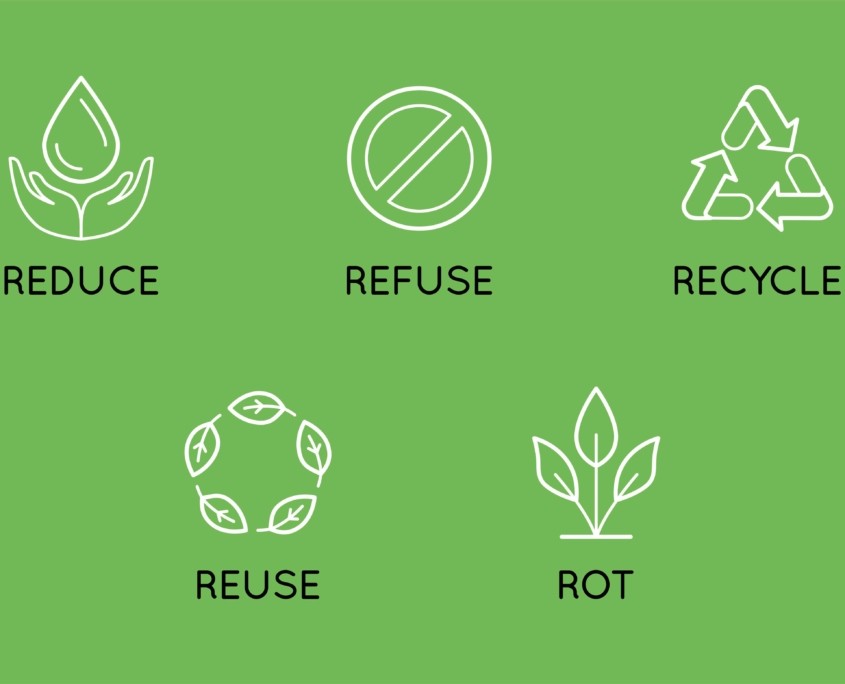
Refuse, Reduce, Reuse, Recycle, and Rot, meaning to avoid, reduce, reuse, recycle, and compost.

Keep resources in circulation for as long as possible, avoid waste, consume sustainably, and repair or reuse products instead of throwing them away.

Buy loose groceries, use reusable products, plan your meals, choose DIY or refillable items, shop secondhand, and share things instead of buying new.

Start with small steps. Use your own water bottle, cloth bag, and lunchbox, switch to digital notes instead of paper, avoid unnecessary packaging, and make use of leftovers.

Reusable bottles, coffee-to-go cups, beeswax wraps, reusable produce bags, shampoo bars, wooden toothbrushes, safety razors, and durable storage containers.

Shop mindfully, use meal prep, share items in your shared flat, try zero-waste stores, use bikes and public transport, and rely on digital study materials.

Questions?

We are happy to help!